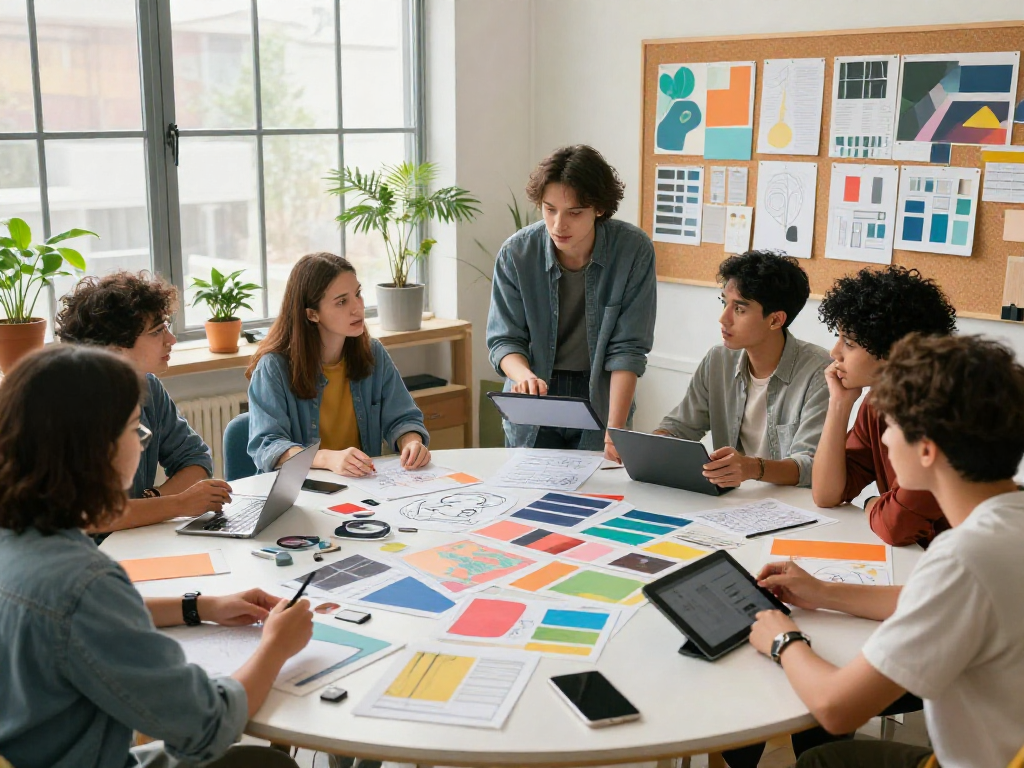
The Role of Mentorship in Creative Design Development
In the dynamic world of creative design, mentorship plays a crucial role in shaping the skills and perspectives of emerging talents. A mentor provides guidance, support, and expertise that can greatly enhance a designer's ability to navigate the complexities of the industry. By leveraging the insights of experienced professionals, aspiring designers can accelerate their learning and refine their unique styles. Platforms like rokok88 link daftar offer valuable resources for those seeking mentorship in design, helping individuals connect with seasoned creatives who can provide tailored advice and inspiration.
Understanding Creative Mentorship
Creative mentorship involves a relationship where an experienced designer shares their knowledge and skills with a less experienced individual. This relationship is often characterized by mutual respect and a shared passion for design. Mentors provide valuable feedback on works in progress, share industry insights, and guide their mentees through the challenges of design development. The essence of mentorship lies in fostering a safe space for creativity, where mentees can freely express their ideas and receive constructive criticism.
Benefits of Having a Design Mentor
The benefits of having a design mentor are manifold. Here are some key advantages:
- Personalized Guidance: Mentors tailor their advice to match the specific needs and goals of their mentees, providing insights that are directly applicable to their projects.
- Networking Opportunities: Mentors often connect their mentees to industry contacts, opening doors to internships, job opportunities, and collaborations.
- Increased Confidence: Receiving validation and encouragement from an experienced designer can significantly boost a mentee's confidence in their creative abilities.
- Skill Development: Mentors help mentees cultivate essential design skills through hands-on experience and targeted practice.
How Mentorship Shapes Creative Processes
Mentorship not only influences skill development but also shapes the overall creative process. A mentor’s input can help a designer refine their approach to problem-solving, encouraging them to think critically and creatively. Through regular interactions with a mentor, designers learn to articulate their ideas more clearly and develop a stronger visual vocabulary, which is essential in the field of design.
Essential Skills and Techniques for Designers
To thrive in the competitive design landscape, mastering a solid foundation of core skills is essential. These skills not only enhance a designer's versatility but also increase their employability in various design disciplines.
Core Design Skills Every Creative Should Master
Designers should focus on developing the following essential skills:
- Visual Communication: Understanding how to effectively convey ideas through visual elements is paramount.
- Typography: Mastering the art of typography enhances readability and aesthetic appeal in design.
- Color Theory: A strong grasp of color theory allows designers to create harmonious and impactful compositions.
- Software Proficiency: Familiarity with design software such as Adobe Creative Suite is crucial for any modern designer.
Effective Design Techniques for Improved Productivity
Productivity in design can be greatly enhanced by implementing specific techniques. Here are a few:
- Time Management: Utilize tools such as calendars and task lists to prioritize projects and deadlines.
- Iterative Design: Embrace the iterative design process, allowing for continuous refinement and improvement of work.
- Seeking Feedback: Regularly solicit feedback from peers and mentors to gain different perspectives on your work.
Exploring New Design Software and Tools
The design world is constantly evolving, with new tools and software emerging regularly. Designers are encouraged to explore these innovations to stay ahead of the curve. Whether it's AI tools for generating graphics or new apps for collaborative design, leveraging technology can streamline workflow and enhance creativity.
Current Trends in Visual Design for 2026
As we move further into 2026, it's essential for designers to stay informed about the latest trends shaping the industry. Understanding these trends can help creatives to innovate and keep their work relevant.
Identifying Influential Design Trends
Some of the most influential design trends this year include:
- Sustainability in Design: A growing emphasis on eco-conscious design approaches is reshaping how products and brands are created.
- Retro Aesthetics: Nostalgic design elements are making a comeback, blending vintage styles with modern techniques.
- Minimalism: Simple, clean designs continue to dominate, emphasizing functionality and ease of use.
Adapting to Emerging Visual Styles
Designers need to be adaptable, embracing new visual styles as they emerge. This adaptability not only enhances creativity but also ensures that a designer's work remains appealing to diverse audiences.
Predicting Future Trends in Creative Design
Looking ahead, several key trends are anticipated to gain traction:
- Augmented Reality (AR) and Virtual Reality (VR): As technology advances, AR and VR will likely become integral to design processes.
- Interactive Design: Engagement through interactive elements will continue to be a focus, catering to user experiences.
- Diverse Representation: An emphasis on inclusivity and representation in design will become more pronounced.
Creating a Productive Design Workflow
Establishing a productive workflow is crucial for any designer looking to optimize their creative output. A streamlined process allows for more efficient design work, reducing stress and increasing satisfaction.
Strategies for Streamlining Your Design Process
To create a more efficient workflow, consider the following strategies:
- Define Your Process: Take time to map out your design process from start to finish.
- Use Templates: Create templates for recurring tasks to save time and maintain consistency.
- Automate Routine Tasks: Utilize automation tools to handle repetitive tasks, freeing up time for creative work.
Balancing Creativity with Deadlines
Deadlines are a reality for designers, and learning to balance creativity with the need to meet them is essential:
- Set Realistic Goals: Break large projects into manageable tasks with specific, achievable deadlines.
- Prioritize Tasks: Identify the most critical tasks and tackle those first to maintain momentum.
Tools for Enhancing Design Efficiency
Several tools can help streamline your design workflow:
- Project Management Software: Tools like Trello or Asana can help keep projects organized.
- Graphic Design Software: Utilize programs that facilitate collaboration and ease of use.
Building a Community of Creative Designers
In the creative field, community plays a significant role in personal and professional growth. Building a network of fellow designers can provide support, inspiration, and collaborative opportunities.
Networking Opportunities for Designers
Networking can happen both online and offline. Engaging in design communities, attending workshops, and participating in local meetups can help designers broaden their professional circles. Networking allows designers to share ideas, learn from each other, and grow together.
Engaging with the Creative Community Online
The digital age offers many platforms for designers to connect. Websites, social media, and forums enable members of the creative community to share their work, solicit feedback, and collaborate across distances. Engaging with the online community can provide valuable insights and inspiration.
Collaborative Projects and Their Impact on Growth
Working on collaborative projects can significantly impact a designer’s growth. These projects encourage diverse perspectives, fostering creativity and innovation. Collaborating with others can lead to new ideas, techniques, and approaches that a designer might not explore alone.
What are the benefits of having a design mentor?
Having a design mentor fosters personal growth, skill development, and professional networking. Mentors provide valuable feedback and support that can help new designers navigate the complexities of the design world.
How can design trends influence my creative work?
Staying abreast of design trends allows you to create work that resonates with contemporary audiences, ensuring relevance and innovation in your designs.
What techniques improve productivity for designers?
Techniques such as time management, iterative design, and seeking feedback can greatly enhance productivity for designers, allowing them to produce high-quality work efficiently.
Where can I find resources for creative design?
Numerous online platforms, including design blogs, forums, and mentorship opportunities like ROKOK88, provide invaluable resources for enhancing creative skills.
How does networking benefit my career in design?
Networking opens doors to collaboration, mentorship, and job opportunities, thereby significantly enhancing a designer's career prospects.