
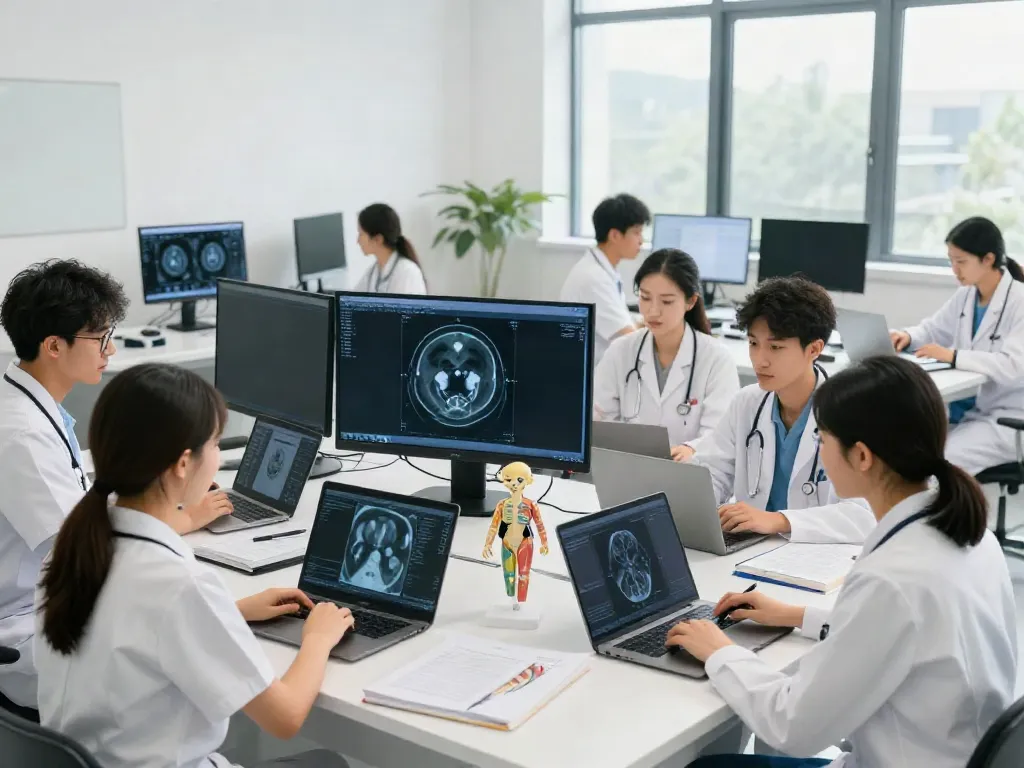
Understanding the Basics of Radiology Techniques
Radiology plays an essential role in modern medicine, providing critical imaging services that help diagnose and treat various health conditions. Techniques such as CT scans, X-rays, and MRIs allow healthcare providers to see inside the human body without the need for invasive procedures. Through detailed imaging, medical professionals can assess injuries, diseases, and other health concerns, making these technologies vital to patient care. When exploring options, rokok88 slot provides comprehensive insights into the functions and advantages of each technique, making healthcare more accessible.
What is CT Scan, X-Ray, and MRI?
CT (Computed Tomography) scans, X-rays, and MRI (Magnetic Resonance Imaging) are three fundamental imaging techniques in radiology. A CT scan utilizes X-ray equipment to create detailed cross-sectional images of the body, while traditional X-rays deliver a flat image by passing radiation through the body. On the other hand, an MRI employs powerful magnets and radio waves to generate detailed images of organs and tissues without the use of ionizing radiation.
- CT Scan: Combines multiple X-ray images taken from various angles and processes them using computer technology to produce cross-sectional views.
- X-Ray: Uses electromagnetic radiation to visualize the inside of the body, commonly used for observing bone fractures and dental examinations.
- MRI: Employs a magnetic field and radio waves to create detailed images of organs and tissues, particularly useful for soft tissue evaluation.
Key Differences Between CT Scan, X-Ray, and MRI
While all three imaging modalities are valuable clinical tools, they differ significantly in their applications, capabilities, and the types of information they provide:
- Radiation Exposure: X-rays and CT scans expose patients to ionizing radiation, while MRIs do not.
- Image Detail: MRIs provide superior detail of soft tissues compared to CT scans and X-rays, which are better for viewing bone structures.
- Time Required: CT scans are usually faster than MRIs, which can take anywhere from 15 to 90 minutes depending on the areas being scanned.
Benefits of Each Radiology Technique
Each imaging technique has its unique advantages that make them indispensable in clinical settings:
- CT Scan: Extremely fast and effective for emergency situations, allowing for rapid diagnosis of life-threatening conditions.
- X-Ray: Cost-effective and widely available, making it the first-line imaging test for many conditions.
- MRI: Extremely versatile and useful for a broad range of diagnostic purposes, particularly in neurology, orthopedics, and oncology.
How ROKOK88 Slot Enhances Learning in Radiology
In the world of medical education, utilizing platforms like ROKOK88 Slot can vastly improve radiology training. These interactive learning environments provide immersive experiences that enhance understanding of complex topics.
Interactive Learning Tools and Resources
ROKOK88 Slot offers a variety of tools designed to support active learning and engagement. These include interactive quizzes, virtual simulations, and case studies that help reinforce theoretical knowledge with real-world applications.
Case Studies and Practical Applications
Case studies are a pivotal aspect of learning in radiology. They provide context and practical examples of how imaging techniques are employed in clinical scenarios, fostering critical thinking and decision-making skills essential for future radiologists.
Virtual Learning Environments and ROKOK88 Slot
Virtual learning environments allow students to engage with content at their own pace, making it easier to grasp complex concepts. ROKOK88 Slot's user-friendly interface encourages exploration and self-directed study, essential for mastering the nuances of radiological techniques.
Common Misconceptions About Radiology Techniques
Debunking Myths Surrounding X-Ray, CT Scan, and MRI
Despite their importance, many misconceptions surround these imaging techniques. For instance, some believe that MRIs are always more definitive than CT scans, which is not necessarily true as each has specific uses.
Real-World Applications and Limitations
Understanding the limitations and appropriate applications of each imaging technique is crucial for effective diagnosis. CT scans are preferred for trauma cases, whereas MRIs are more suitable for soft tissue imaging.
Expert Insights on Radiology Misunderstandings
Experts in radiology emphasize the necessity of education and awareness about these technologies. By understanding their differences, benefits, and appropriate contexts for use, healthcare professionals can provide better patient care.
Best Practices for Radiology Students
Effective Study Strategies for Mastering Radiology
Radiology students should adopt effective study strategies that incorporate both theoretical knowledge and practical skills. Utilizing mock exams, flashcards, and group studies can enhance retention and understanding.
Utilizing ROKOK88 Slot for Enhanced Learning
By leveraging platforms like ROKOK88 Slot, students can access a wealth of resources that cater to different learning styles. This tailored approach helps in grasping complex topics and concepts in radiology.
Networking and Collaboration in Radiology Education
Building a network of peers and professionals is essential in the field of radiology. Collaborating on projects or participating in study groups allows students to share knowledge and resources, enhancing their learning experience.
Future Trends in Radiology Education for 2026 and Beyond
Technological Advancements and Their Impact
The future of radiology education will be shaped by rapid technological advancements. From AI-driven imaging tools to enhanced data analytics, these innovations will allow for more accurate diagnostics and personalized treatment plans.
Predictions for the Future of Radiology Training
Experts predict that radiology training will increasingly incorporate virtual and augmented reality, providing immersive learning experiences that simulate real clinical environments.
Preparing for Changes in the Healthcare Landscape
Radiology students must stay updated on evolving technologies and practices. Continuous education is key to staying relevant in the fast-changing field of healthcare.
What are the key uses of CT Scan, X-Ray, and MRI?
The uses of these imaging modalities continue to expand as technology advances, allowing healthcare providers to accurately diagnose conditions ranging from fractures to tumors and soft tissue injuries.
How can ROKOK88 Slot contribute to a better understanding of radiology?
ROKOK88 Slot offers extensive resources that make complex topics more digestible, allowing students and professionals to enhance their understanding of radiological practices and principles.
What resources are recommended for radiology students?
In addition to ROKOK88 Slot, students are encouraged to utilize textbooks, online courses, and peer-reviewed articles to gain a broader perspective on radiology.
What are some common challenges in learning radiology?
Challenges such as understanding imaging techniques and differentiating between various diagnoses can be mitigated through collaboration, practice, and leveraging the right educational tools.
How will technology shape the future of radiology education?
As technology evolves, it will play a crucial role in shaping education in radiology. The integration of AI and machine learning will provide students with enhanced learning tools and real-time feedback, ultimately improving patient outcomes.